
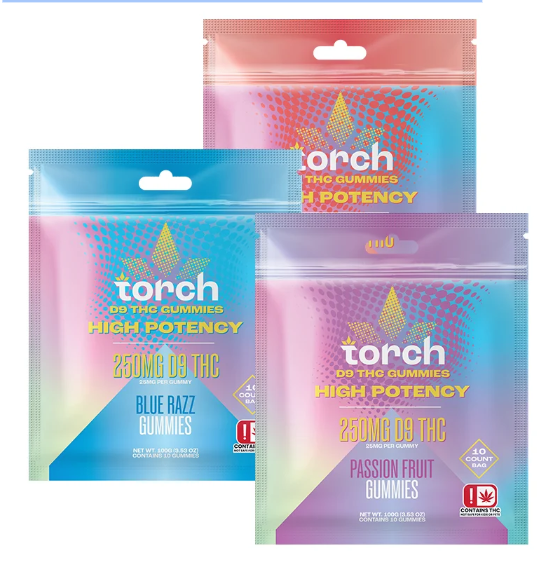
Cannabis gummies are formulated products in which texture, flavor, and consistency all contribute to the overall product experience. Their quality depends on several factors, including ingredient selection, formulation balance, manufacturing conditions, and storage practices. Even small differences in these areas can affect whether gummies feel soft, firm, chewy, or sticky.
Understanding these factors also helps explain why products such as live resin gummies may have different flavor and texture characteristics from other edible formulations. Examining the ingredients and production variables provides a clearer picture of what influences the finished product.
1. Ingredient Selection and Its Effect on Texture
The ingredients used in gummy formulations play an important role in determining their physical properties. Each component contributes a different characteristic, from firmness and elasticity to moisture retention and flavor. A balanced formulation is essential for producing gummies with a consistent texture.
Gelatin and Pectin
Gelatin and pectin are commonly used gelling agents, but they produce different textures. Gelatin-based gummies are generally associated with a flexible, chewy consistency, while pectin-based formulations can have a firmer or shorter bite. The final result depends on the ingredient concentration and the surrounding formulation.
Other ingredients also influence the finished texture. Sweeteners, acids, and moisture levels can change how the gel structure forms and behaves. For example, an imbalance between moisture and gelling components may result in gummies that feel too soft, dry, or sticky.
Sweeteners and Moisture Balance
Sweeteners contribute more than sweetness. Their composition can influence moisture retention, firmness, and the way a gummy feels during consumption. Different sweetener systems may produce noticeable differences in texture, even when the other ingredients remain similar.
Moisture balance is equally important. Excess moisture can contribute to stickiness, while insufficient moisture may cause a product to become dry or firm. Manufacturers therefore evaluate ingredient consistency and finished-product characteristics to maintain predictable quality.
2. What Shapes the Flavor of Cannabis Gummies?
Flavor is influenced by the interaction between the gummy base, flavoring ingredients, acidity, and cannabis-derived components. A well-balanced formulation aims to prevent individual ingredients from overpowering one another. This becomes particularly relevant when a product contains botanical extracts or other ingredients with distinctive flavor profiles.
Flavorings, Acidity, and Sweetness
Fruit flavors, natural flavoring ingredients, and sweeteners contribute to a gummy’s overall taste. Acidity can add brightness and balance sweetness, while the type and concentration of flavoring ingredients influence how clearly a particular flavor comes through.
Flavor consistency also depends on ingredient quality. Differences between ingredient batches can create variations in aroma or taste. Quality-control procedures help identify these differences before products reach the final packaging stage.
The Role of Cannabis-Derived Ingredients
Cannabis-derived ingredients can contribute distinctive aroma and flavor characteristics. Their sensory profiles may vary depending on the source material and the composition of the extract. Live resin gummies, for example, are associated with extracts made from fresh-frozen cannabis material, which can have a different aromatic profile from other extract types.
However, the presence of a particular extract does not guarantee a specific flavor experience. The finished profile depends on the complete formulation, ingredient quality, and product consistency. Clear product descriptions should distinguish between flavor ingredients and cannabis-derived components.
3. Manufacturing Consistency and Product Quality
Ingredient selection establishes the foundation of a gummy, but manufacturing consistency determines whether that formulation produces a uniform finished product. Variations in production conditions can affect appearance, firmness, weight, and texture.
Maintaining Uniformity Between Batches
Consistent manufacturing requires documented procedures and quality checks. Differences in raw materials, mixing uniformity, or production conditions can contribute to variations between batches.
Quality teams may evaluate characteristics such as:
- Individual gummy weight and dimensions
- Surface appearance and texture
- Firmness and elasticity
- Color and flavor consistency
- Packaging condition
These checks help identify differences that may otherwise go unnoticed. Documented batch records also make it easier to investigate unexpected variations and maintain traceability.
Packaging and Storage Conditions
Packaging helps protect gummies from environmental conditions that can affect their quality. Exposure to heat, humidity, air, and light may contribute to changes in texture, appearance, or flavor.
Storage recommendations should reflect the characteristics of the finished formulation and its packaging. Consumers should follow the instructions provided on the product label rather than assuming all gummies have identical storage requirements.
4. How Consumers Can Evaluate Product Information
Product descriptions can provide useful information, but they should be considered alongside ingredient details, testing documentation, and labeling. A clear description explains the product’s composition without making unsupported claims about its characteristics.
Reviewing Ingredients and Product Details
An ingredient list helps explain what contributes to a gummy’s texture, flavor, and overall composition. Consumers comparing product information, including listings for live resin gummies, can look for details about the extract type, flavor ingredients, serving information, and storage recommendations.
When reviewing online product information, it is useful to check whether descriptions are specific and consistent with the packaging. Vague statements about quality or flavor provide less meaningful information than clear ingredient and testing details.
Understanding Product Variations
Not every variation indicates a manufacturing problem. Different formulations may naturally have different levels of firmness, sweetness, or aroma. The important consideration is whether the finished product matches its documented specifications.
Clear labeling and accessible quality information help distinguish expected formulation differences from inconsistencies that may require further investigation.
Conclusion
The texture, flavor, and consistency of cannabis gummies depend on several connected factors, including gelling agents, sweeteners, moisture balance, flavor ingredients, extract characteristics, manufacturing controls, and packaging. Evaluating these elements together provides a more complete understanding of finished-product quality.
Consistent documentation, appropriate testing, and transparent product information are essential to setting clear expectations. Understanding how these factors interact makes it easier to assess gummy formulations based on their composition and quality characteristics rather than relying on broad marketing descriptions.